Де жив Робін Гуд: правда про Шервуд і Ноттінгем
Robin Hood: Historical Figure or Mythical Hero?
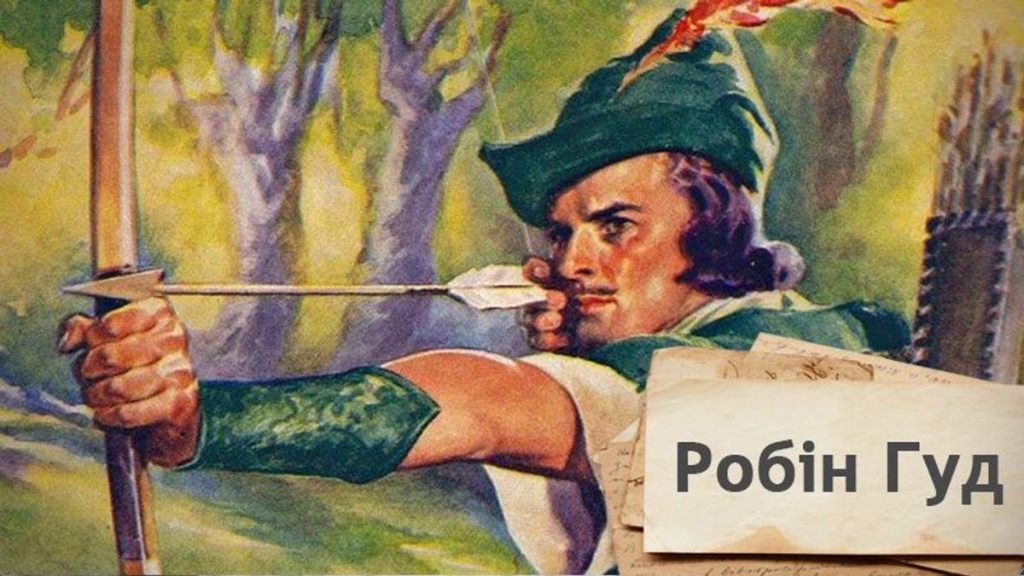
Before we pinpoint a location, it’s worth exploring who—or what—Robin Hood really was. The earliest mentions of this character pop up in ballads from the 14th and 15th centuries, long after the supposed time he lived, which is often placed in the late 12th or early 13th century during the reign of King Richard the Lionheart. These tales paint him as a skilled archer and swordsman, a champion of the downtrodden, leading a band of Merry Men. Yet, historians still debate whether Robin Hood was a real person, a composite of various outlaws, or purely a fictional symbol of resistance against oppression.
Some scholars suggest he might have been inspired by historical figures like Robert of Locksley or other rebels documented in medieval records. Others argue he’s a folkloric archetype, born from the collective imagination of a society yearning for justice. Regardless of his origins, the stories consistently tie him to a specific region in England, a place that has become synonymous with his name. Let’s narrow down the map and step into the heart of his legendary domain.
The Heart of Robin Hood’s Legend: Sherwood Forest
When you hear “Robin Hood,” the first place that springs to mind is likely Sherwood Forest, a sprawling woodland in Nottinghamshire, England. This ancient forest, once a royal hunting ground, stretches over 1,000 acres today, though it was far larger in medieval times, covering much of the county. Its dense thickets and hidden clearings offered the perfect hideout for an outlaw band evading the law.
Sherwood isn’t just a backdrop in the stories; it’s practically a character itself. Ballads describe Robin and his Merry Men ambushing wealthy travelers along forest paths, retreating to secret camps deep within the trees. The forest’s most iconic landmark, the Major Oak, a massive 800-year-old tree, is often linked to Robin Hood as his supposed meeting spot or hideout. Standing beneath its gnarled branches, you can almost hear the echo of laughter from Little John or Friar Tuck as they plot their next adventure.
But Sherwood’s connection to Robin isn’t just poetic. Historical records from the 13th century mention outlaws in the area, and the forest’s proximity to Nottingham—home of the infamous Sheriff—fits the narrative like a glove. While no concrete evidence ties a specific “Robin Hood” to Sherwood, the forest remains the beating heart of his legend, drawing thousands of visitors yearly to walk its trails and soak in the myth.
Nottingham: The Sheriff’s Domain and Robin’s Nemesis
If Sherwood Forest was Robin Hood’s sanctuary, then Nottingham was the lion’s den he dared to challenge. Just a stone’s throw from the forest, this medieval town is forever linked to the Sheriff of Nottingham, Robin’s arch-enemy in countless tales. Nottingham Castle, perched on a sandstone cliff, looms over the town as a symbol of authority and oppression in the stories—a place where corrupt officials hoarded wealth while the poor suffered.
In the ballads, Robin often sneaks into Nottingham in disguise, outwitting the Sheriff in daring escapades, whether it’s competing in an archery contest or rescuing a comrade from the gallows. The town’s gritty, bustling atmosphere in medieval times would have been a stark contrast to the wild freedom of Sherwood, making it a fitting stage for their cat-and-mouse games. Today, Nottingham leans into its Robin Hood legacy with statues, festivals, and museum exhibits, proudly claiming its place in the outlaw’s story.
Interestingly, historical records do show that Nottingham had sheriffs during the supposed era of Robin Hood, some of whom were indeed accused of corruption. Could the Sheriff of the tales be based on a real figure? It’s a tantalizing thought, adding a layer of plausibility to the idea that Nottingham was more than just a fictional setting.
Barnsdale Forest: A Lesser-Known Contender
While Sherwood often steals the spotlight, another location has a strong claim to Robin Hood’s legacy: Barnsdale Forest in South Yorkshire. Some of the earliest ballads, like “A Gest of Robyn Hode” from the 15th century, place Robin’s exploits here rather than in Sherwood. Barnsdale, a once-vast woodland near the Great North Road, would have been a prime spot for ambushing travelers, much like Sherwood.
One specific site in Barnsdale, known as the “Saylis,” is mentioned in old texts as a place where Robin encountered a knight. Scholars have linked this to a real location near Wentbridge, reinforcing the area’s historical ties to the legend. Additionally, Barnsdale is closer to York, where some stories place Robin’s interactions with the king or other nobles, suggesting a broader range for his adventures.
So why does Sherwood overshadow Barnsdale? Likely because later retellings, especially in the 19th and 20th centuries, cemented Sherwood as the iconic setting, thanks in part to its proximity to Nottingham. Still, Barnsdale remains a hidden gem for Robin Hood enthusiasts, offering a quieter, less touristy glimpse into the outlaw’s possible world.
Other Claimants: From Locksley to Loxley
Beyond Sherwood and Barnsdale, several other places in England stake their claim to Robin Hood’s origins. One recurring name is Locksley, often cited as Robin’s birthplace or surname (as in “Robin of Locksley”). While Locksley as a specific village doesn’t exist on modern maps, some connect it to Loxley, a small area near Sheffield in South Yorkshire. This theory ties into local folklore, with tales of a noble-born outlaw hailing from the region before being forced into hiding.
Other locations, like Edwinstowe in Sherwood Forest, claim to be the site of Robin and Maid Marian’s wedding, while nearby villages boast of being the resting place of Little John or other Merry Men. Each spot adds a piece to the puzzle, weaving a tapestry of legend across England’s countryside. It’s as if Robin Hood, whether real or imagined, left footprints everywhere, his story too vast to be confined to one place.
The Cultural Landscape: Why Place Matters in the Legend
Stepping back from specific locations, let’s consider why the “where” of Robin Hood is so vital to his story. In medieval England, forests like Sherwood and Barnsdale weren’t just wilderness; they were liminal spaces, outside the reach of feudal law, where outlaws could defy authority. They symbolized freedom, a stark contrast to the rigid hierarchies of castles and towns. For a figure like Robin, who represents rebellion and justice, these untamed landscapes are the perfect stage.
Moreover, tying Robin to real places like Nottinghamshire or Yorkshire grounds the myth in a tangible reality. It’s no coincidence that these areas were hotbeds of unrest during the Middle Ages, with tensions between peasants and nobles running high. The legend of Robin Hood, whether based on a true outlaw or not, reflects the spirit of those struggles, making his “home” a mirror of societal conflict.
Modern Echoes: Robin Hood’s Home in Pop Culture
Fast forward to today, and Robin Hood’s homeland continues to inspire. From Hollywood blockbusters to children’s books, Sherwood Forest remains the go-to setting, its name synonymous with adventure. Films like the 1991 “Robin Hood: Prince of Thieves” with Kevin Costner showcase sweeping shots of ancient oaks, while Disney’s animated classic paints a whimsical woodland teeming with life. These portrayals keep the forest alive in our collective imagination, even if they take creative liberties.
Nottingham, too, has embraced its role, with annual Robin Hood festivals featuring archery contests and medieval reenactments. Walking through the town, you’ll spot nods to the legend everywhere, from pub signs to street names. It’s a testament to how deeply this story is woven into the region’s identity, blurring the line between history and myth.
Interesting Facts About Robin Hood’s Haunts
Fun Tidbits to Surprise You
Let’s sprinkle in some lesser-known nuggets about the places tied to Robin Hood. These facts might just deepen your appreciation for the legend’s roots!
- 🌲 The Major Oak’s Secret: This iconic tree in Sherwood Forest, believed to be over 800 years old, has a hollow trunk so large that legend says Robin and his men hid inside it during raids. Today, it’s one of the most photographed trees in England!
- 🏰 Nottingham Castle’s Dark Past: While it’s a tourist spot now, the original castle was a fortress of power in the Middle Ages, and records show it housed dungeons where outlaws—perhaps like Robin—were imprisoned.
- 🛤️ Barnsdale’s Forgotten Fame: The Great North Road near Barnsdale was a notorious spot for highwaymen well into the 18th century, echoing Robin’s ambushes centuries after the first ballads were sung.
These tidbits remind us how much history and imagination blend in the places tied to Robin Hood. Each location carries whispers of a past that might just hold a kernel of truth.
Exploring Robin Hood’s World Today
If you’re itching to step into Robin Hood’s shoes, both Sherwood Forest and Nottingham offer incredible experiences. Sherwood Forest National Nature Reserve boasts walking trails that wind past ancient trees, with the Major Oak as a must-see centerpiece. Guided tours often delve into the folklore, pointing out spots linked to specific tales. Meanwhile, Nottingham’s Robin Hood Trail takes you through historic sites, including the castle and the medieval Lace Market, where you can feel the echoes of a bygone era.
For a quieter adventure, consider Barnsdale or the Loxley Valley, where you can hike through landscapes largely unchanged since medieval times. These places aren’t just tourist traps; they’re windows into a world where legend and reality blur. And who knows? Maybe you’ll stumble upon a hidden glade where an outlaw’s spirit still lingers.
A Deeper Look: Comparing the Key Locations
To help you visualize the contenders for Robin Hood’s home, let’s break down the main locations with a side-by-side comparison. Each has its own flavor of history and myth.
| Location | Historical Ties | Legendary Role | Modern Appeal |
|---|---|---|---|
| Sherwood Forest | Royal hunting ground; records of outlaws in the area. | Primary hideout; home of the Major Oak. | Nature reserve with trails and festivals. |
| Nottingham | Historical sheriffs documented; medieval power center. | Sheriff’s stronghold; site of daring escapades. | Cultural hub with Robin Hood-themed attractions. |
| Barnsdale Forest | Mentioned in early ballads; near key medieval roads. | Alternative hideout; site of specific ballad events. | Less touristy; ideal for history buffs. |
This table shows how each location offers a unique piece of the Robin Hood puzzle. Sherwood might win for sheer fame, but Barnsdale’s early mentions in ballads give it a compelling edge. Nottingham, meanwhile, anchors the story in a gritty urban contrast. Which resonates with you most?
Isn’t it fascinating how a single legend can root itself in so many real places, each with its own flavor of history?
As we’ve wandered through the tangled woods and ancient streets tied to Robin Hood, it’s clear his “home” isn’t just a dot on a map. It’s a feeling, a rebellion, a call to justice that echoes through Sherwood’s oaks, Nottingham’s stone walls, and Barnsdale’s forgotten paths. Whether he was a real outlaw or a spark of medieval imagination, his story lives on in these landscapes, inviting us to explore, dream, and maybe even draw a bowstring ourselves. Where do you think Robin Hood truly belonged? The answer might just lie in the next forest trail you tread.